Skip to content

Set by Amanda Barnicoat, the Society’s Community WildBelt Project Manager.
Test your knowledge of amazing autumn wildlife. Some questions are easy, others are a bit more tricky!
The quiz is in two parts. If you answer all questions correctly, you can consider yourself a wildlife warrior!

QUIZ
Type your answers in the fields provided.
When you click ‘reveal’ the correct answers will appear below.
1. What is a Mast year?
2. Many animals store surplus food in the autumn to keep them going through the winter. What is the term used for this?
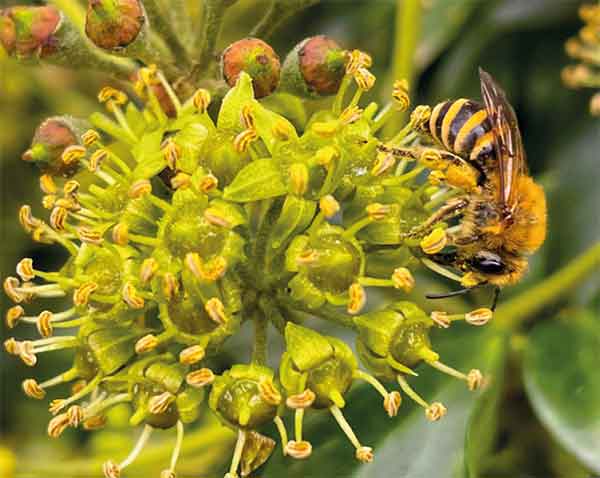
3. Which bee solely feeds on Ivy flowers in the autumn? The clue is in the name.
4. Which trees do these belong to?

5. Which trees do these nuts belong to?

6. Which shrub produces sloes as it’s fruit?
7. Which lovable spiny mammal will be getting ready for hibernation?
8. This hedgerow plant has catkins in spring and nuts in autumn. It’s also a girl’s name?
9. Leaves can turn fantastic colours in autumn, but do you know what chemical gives them their green colour?
10. Which autumn nut is used by children (or adults) to play a game with?
1. Every few years, some species of trees and shrubs produce a bumper crop of their fruit and nuts. The collective term for these fruits and nuts is ‘mast’ so we call this a mast year.
2. Cache. Food such as seeds and nuts can be buried, stored in nests or even pressed into the bark of trees. There are some surprises. Moles store living earthworms, immobilised by having their heads bitten off, for the winter. Any worms not eaten during winter crawl away when the weather warms up in spring, having grown a new head segment.
3. Ivy Mining Bee, it’s the latest solitary bee to appear in the year. They prefer to nest in light, sandy soils on south facing banks and cliffs with access to nearby ivy.
4. Hawthorn, Hazel and Field Maple.
5. Sweet Chestnut, Hazel, Beech.
6. Blackthorn. Sloes are in the same family as plums and cherries so if you’re brave you can eat them raw, though they are incredibly sharp and will dry your mouth out before you even finish your first one.
7. Hedgehog. Autumn is a busy time for hedgehogs, who will be on the hunt for minibeasts, like worms and beetles, to help fatten up ready for hibernation. The more weight they can put on, the better chance they have of surviving the winter.
8. Hazel, the nuts are a favourite food of grey squirrels, dormice and wood mice.
9. Chlorophyll is a pigment that gives plants their green colour and it helps plants create their own food through photosynthesis.
10. Conkers. Using nuts from the Horse Chestnut tree. Did you know there is a World Conker Championship! This year it was held in Lincolnshire.
Part 2
Can you identify all these plants and creatures found in the Chilterns?
When you click ‘reveal’ the correct answers will appear below.
1
2
3
4
5
6
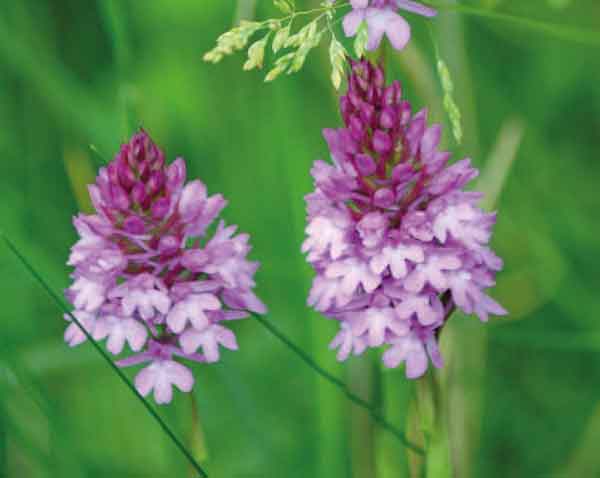
7
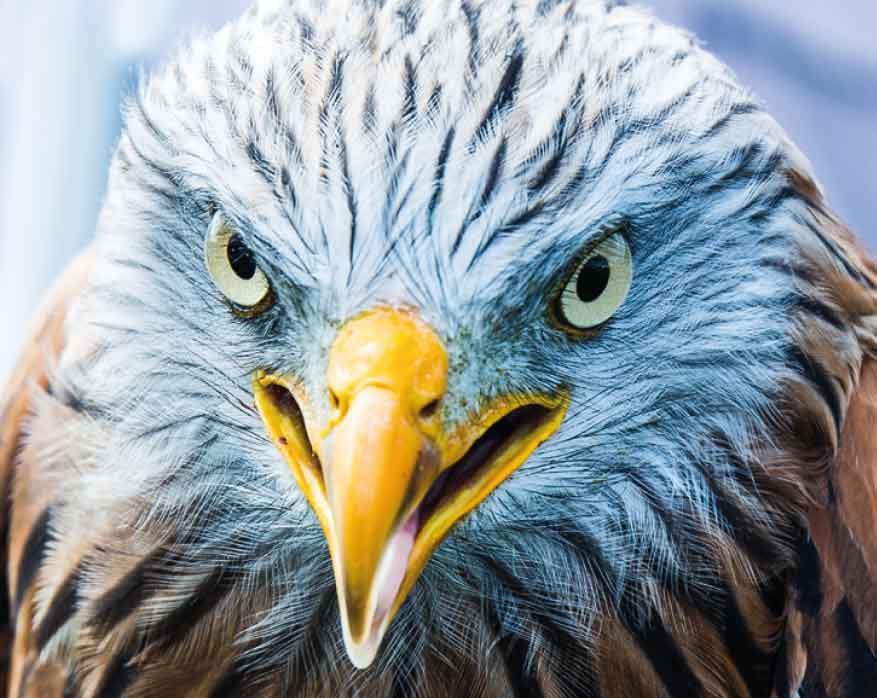
8
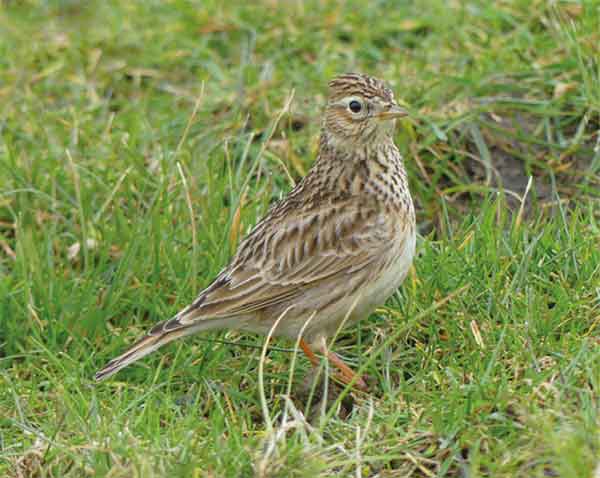
9
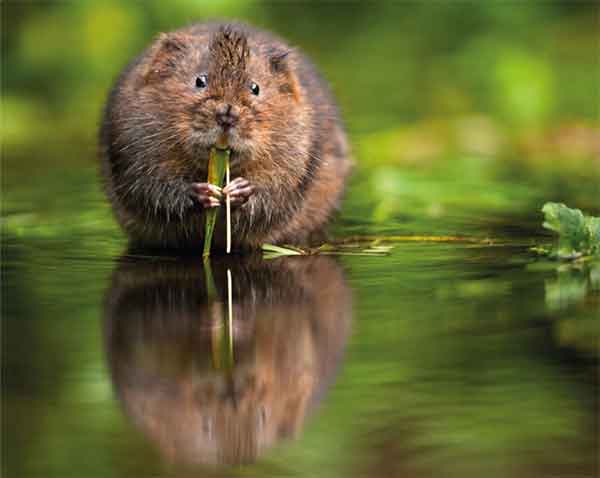
10
1. Ivy mining bee. The last solitary bee species to emerge each year, feeding mostly on ivy flowers from August to November. First seen on the south coast in 2001, they’ve since spread north throughout England and Wales.
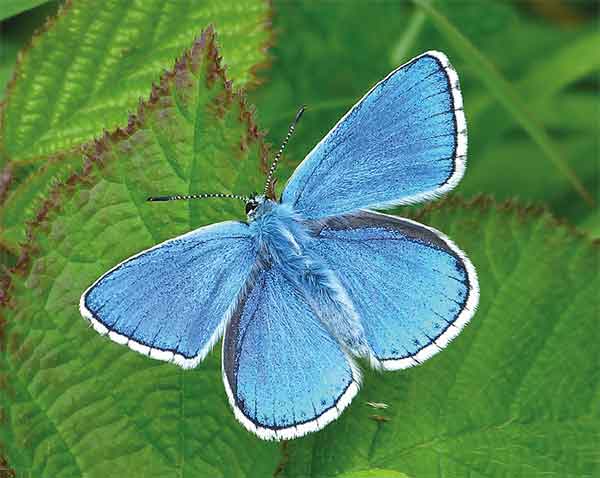
2. Adonis blue butterfly. The rarest of the blue butterflies in the UK, found on sunny, south-facing chalk grassland rich in herbs. Its caterpillars are always found with ants, which protect them in return for a sugary substance they produce.
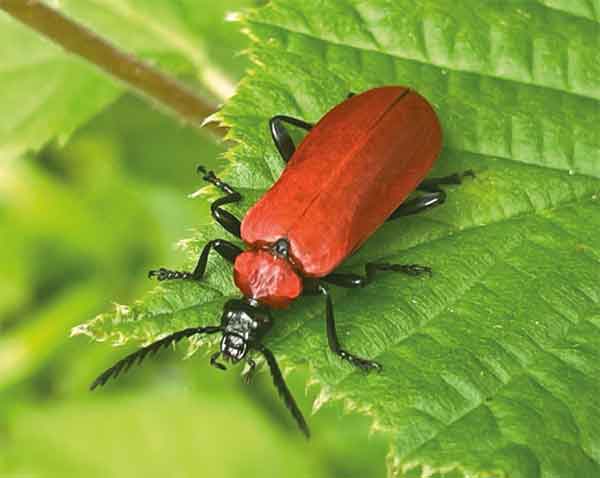
3. Black-headed cardinal beetle. Less common than their relative, the red-headed cardinal beetle, they can be found sunbathing on leaves and flowers along woodland rides, in hedgerows and sometimes in gardens. While they themselves are predators of smaller insects, their bright colouring warns potential predators that they’re toxic.
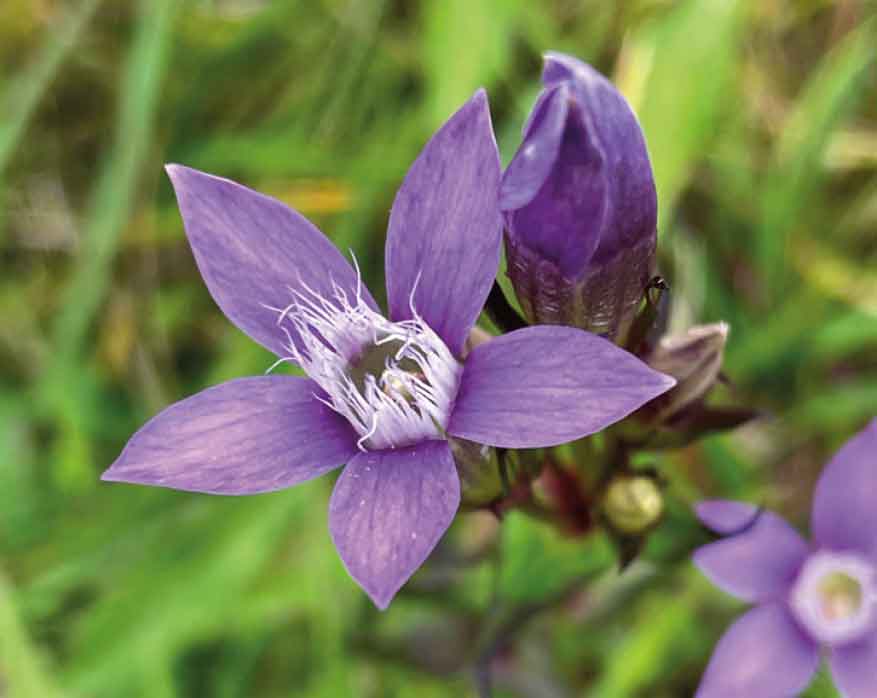
4. Chiltern gentian. Mainly found in Bucks and Herts, it’s a rare annual or biennial flower found on lowland chalk grassland with short vegetation, particularly where the soil has been disturbed.
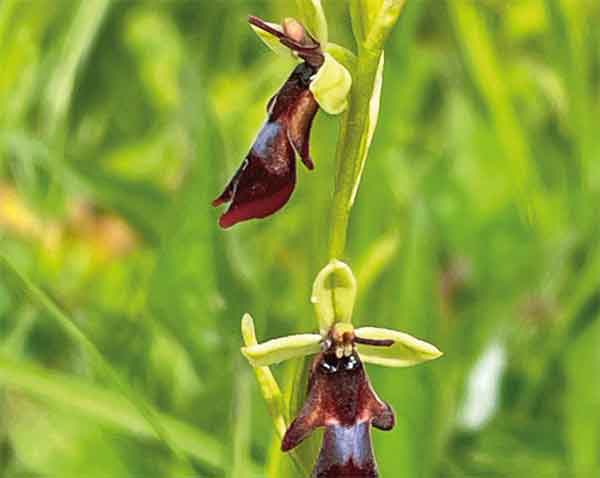
5. Fly orchid. Despite the flowers looking like flies, they actually attract digger wasps. They release a scent which mimics a female wasp’s pheromones, luring in males that attempt to mate with them. The male wasps get a dusting of pollen, which they carry on to the next flower that fools them, often pollinating the plant.
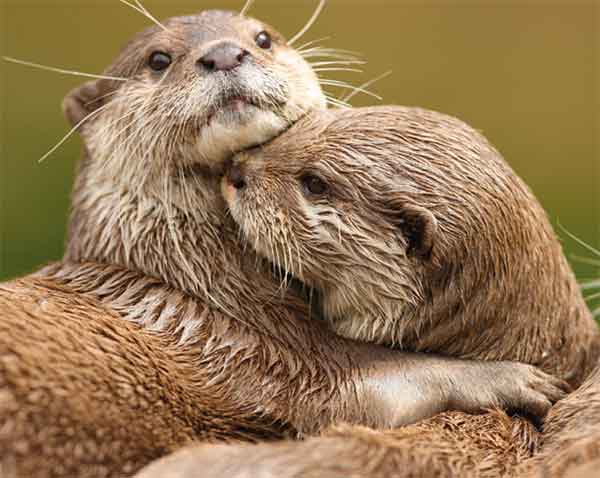
6. European otter. For many years they were on the brink of extinction in the UK, but today you’re more likely to see one than at any time in the last 60 years. While hunting and habitat loss played a part, pollution from agricultural chemicals devastated them. Thanks mainly to conservation efforts, these chemicals were banned in the early 1990s, and as water quality slowly improved so did otter numbers.
7. Pyramidal orchid. It lives up to its name with its bright pinky-purple, densely packed pyramid of flowers atop a green stem. It likes chalk grassland, sand dunes, roadside verges and quarries.
8. Red kite. Possibly the most iconic bird of prey of the Chilterns, they’re a marvel to see circling overhead. Between 1989 and 1994, kites from Spain were imported and released into the Chilterns by the RSPB and English Nature (now Natural England). They’re now thriving, and public support for these beautiful birds is strong. A great example of what a successful conservation project can achieve.
9. Skylark. Male skylarks can be spotted rising almost vertically. They hover effortlessly, singing from a great height, before parachuting back to earth. Their long and complicated song- flights can last for up to an hour and the birds can reach 300m before descending. Their song has been the subject of many works of literature and music from Chaucer to Shelley, and Vaughan Williams to jazz.
10. Water vole. A much-loved British mammal, known by many as ‘Ratty’ in The Wind in the Willows. It’s Britain’s fastest declining mammal, the population plummeting by 90% in the last 30 years. The main reasons are habitat loss and predation by American mink, an invasive non-native species introduced in the early 20th century. Water voles can now be found on the River Chess thanks to the work of conservation organisations.